
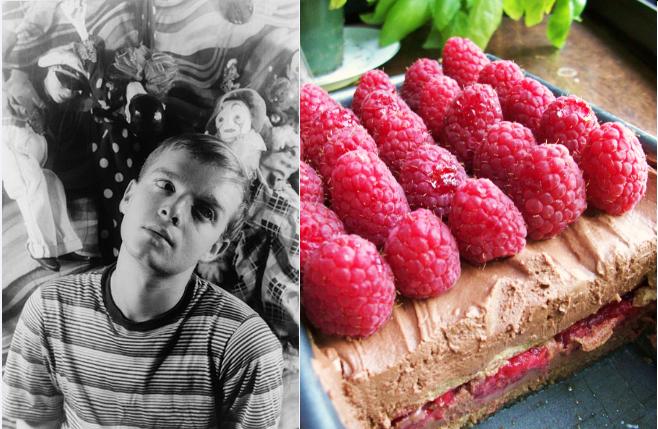
 How long can you last before thinking about what to cook for dinner? It’s a rare occasion when I make it past lunch. Usually by my morning commute, I’m already gone – dreaming up recipes as I walk to the subway, devising shopping lists at lunch, dropping by the farmers’ market on the way home. So I know how Truman Capote felt when he wrote: “Food. I seldom think of anything else.” That kind of sums it all up, doesn’t it?
I’ve always loved eating food, but it wasn’t until I moved to New York—and had a kitchen to myself—that I began to love cooking it. If an aspiring writer needs a room of her own, a budding chef needs a kitchen: a private laboratory where she can experiment to her heart’s (and stomach’s) content. Capote’s chance came in 1950, when he settled down in Sicily with his partner Jack Dunphy. Capote always had a personal cook, but in Sicily he began to explore the kitchen himself – “an unmanly activity, I suppose, but very relaxing and the reward is delicious,” he wrote after a day making fruit preserves. Plus, he noted, storing jam was great way to “do something with these old gin and wine bottles,” a tip destined for the Pinterest boards of boozehounds everywhere.
What began as a way to pass the time became a food obsession, with a particular focus on sweets. After graduating from humble Toll House cookies to fancy chocolate confections, Capote ultimately took on the amateur cook’s triathlon: For Christmas in 1951, he presented Dunphy with a turkey, chestnut stuffing, and a multilayer orange almond cake.
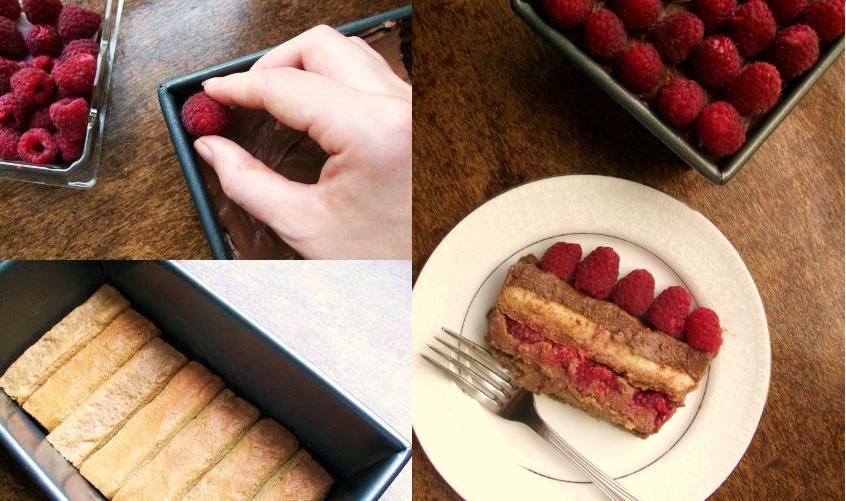
Despite his new culinary chops, though, Capote’s favorite treat was something he didn’t make. In 1962, on a trip to England, he and his friend Cecil Beaton lunched with the Queen Mother. But the royal company didn’t impress Capote – the dessert did. It was “the best cake I’ve ever tasted – a sort of chocolate cream stuffed with fresh raspberries,” he wrote. He wasn’t shy about expressing his enthusiasm, either; years later, Beaton remembered his friend cheering with joy when it was served. Because when a good dessert is involved, who can be bothered with a stiff upper lip?
* * * 
 Paper and Salt