
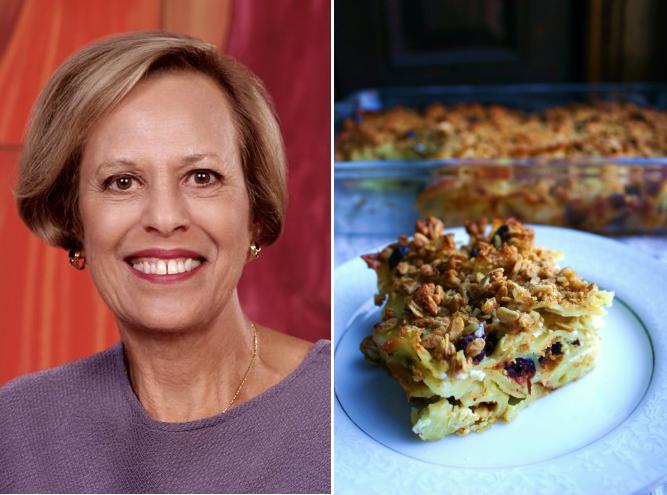
When you’re 12, no one understands you like a book. When I read From the Mixed-Up Files of Mrs. Basil E. Frankweiler for the first time, in the summer before middle school, I was amazed to find a character who not only got me, she was me: oldest child, only girl, and routinely “subject to a lot of injustice.” Reading about Claudia Kinkaid was a brush with the familiar in an entirely unexpected place—a 30-year-old paperback, written by a woman old enough to be my grandmother (speaking of people who definitely didn’t get me).
When I learned of E.L. Konigsburg’s death, a year ago this month, I returned to my bookshelf to visit Claudia, re-reading the scenes I loved 15 years ago: ducking in the bathroom stalls, bathing in the fountain, ordering the mac and cheese at the automat. When Claudia meets the mysterious and well-off Mrs. Frankweiler, she’s dismayed that the menu is so familiar, so pedestrian. “Why it’s nothing but macaroni and cheese.” “You see,” Mrs. Frankweiler responds, “under the fancy trappings I’m just a plain lady.”
While my 12-year-old self might have sided with Claudia’s culinary snobbery, Konigsburg in the kitchen was more of a Frankweiler, relishing in the comfort of the familiar despite her fame. A regular patron of New York’s automats, she also would invite friends to grab a late-night meal at Denny’s; her editor Ginee Seo remembered her getting all dolled up just to slide into one of their faux leather booths. When cooking at home, she took a cue from her title character, with her favorite recipe for special occasions: lokchen kugel, a sweet version of Claudia’s savory mac and cheese.
Everyone’s family recipe for kugel is the best one; it’s the type of dish that always has a secret, and a story to tell. Some swear by topping the noodles with cherry pie filling before baking, or sneaking chocolate chips into the batter. Konigsburg’s version (as published in the fascinating collection Write Out of the Oven) calls for a can of pineapple—the kind of throwback recipe that recalls the days when automats flourished in Manhattan, and the ten pennies you pulled from a fountain could buy you your next meal.

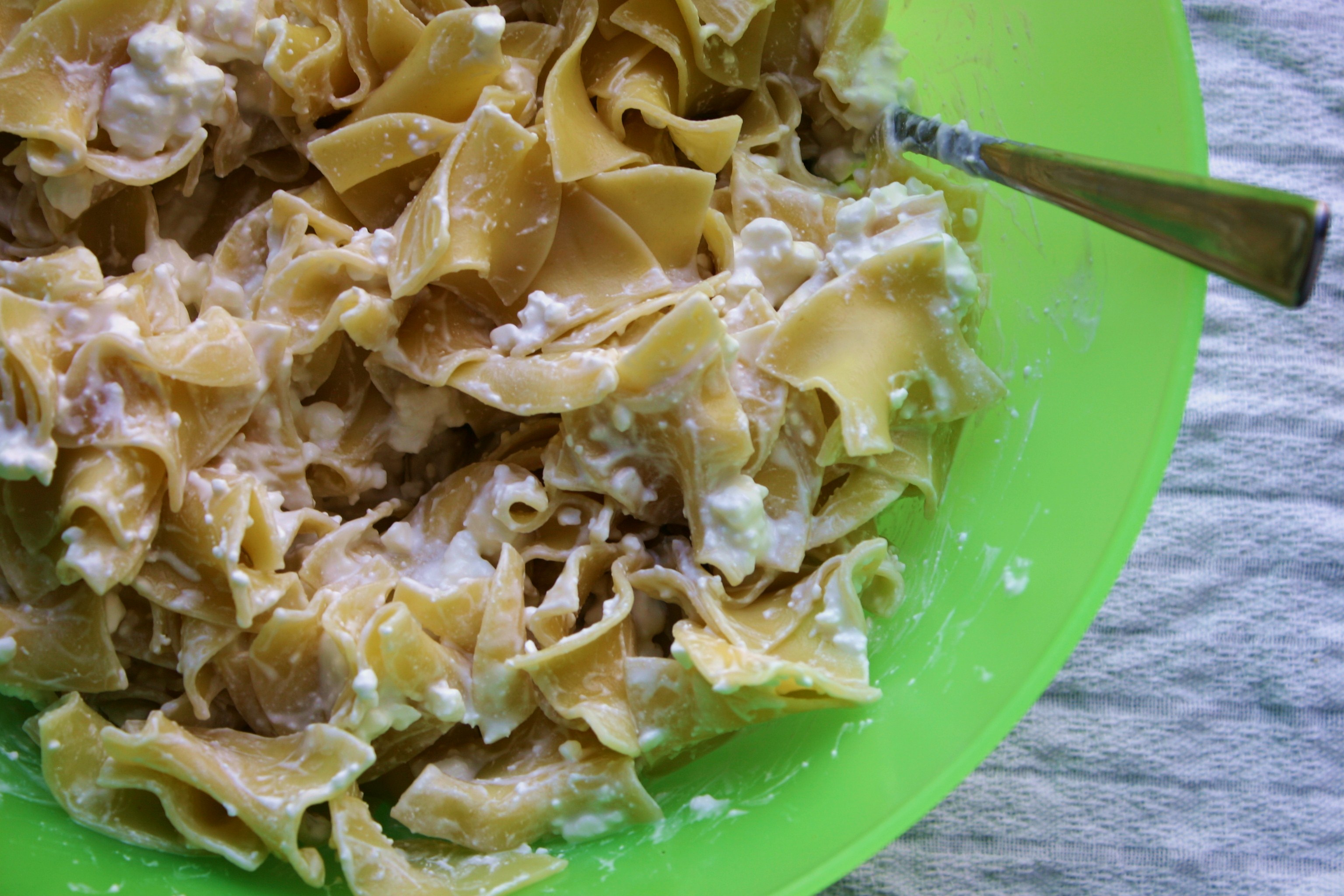

Unlike my first encounter with Claudia, Konigsburg’s recipe didn’t elicit any nods of recognition from me; I had barely heard of kugel, much less tasted it, and immediately had so many questions. Is it a dessert? Is it a side? Why is it sweet? The combination of noodles, sugar, pineapple and cheese didn’t ring any bells (except maybe alarm bells)? But for the many families who grew up with a variation of the dish, kugel is a staple: a regular feature of holiday dinners, Shabbat meals, and (when made with with potatoes or matzah) a Passover must-have.
Having no family recipe to draw from, I decided to start my own tradition, using Konigsburg’s recipe as the foundation but substituting mascarpone for the sour cream and cranberries for the pineapple. As I mixed the cheeses together, I recalled a dish my mother used to make: a mass of noodles, tomato sauce and cheese thrown together, in a lazy approximation of lasagna’s neat layers. It was a mess—the kind of dish that might get some sideways glances at a potluck—but at our table, no one blinked. Instead, we had seconds. Books might help us discover ourselves in unusual places but when it comes to food, nobody gets you like your family.
(Adapted from Write Out of the Oven)
8 ounces flat egg noodles
2 tablespoons butter, melted
1 cup mascarpone
1 pound cottage cheese
3 eggs, beaten
2 tablespoons sugar
3/4 cup dried cranberries
2 cups rolled oats
3/4 cup brown sugar, packed
2 teaspoons cinnamon
1. Preheat oven to 350. Bring a large pot of water to a boil. add noodles, reduce heat to a simmer, and let cook 5 to 7 minutes, until just al dente. Drain and set aside.
2. In a large bowl, stir together butter, mascarpone, cottage cheese, eggs, sugar, and cranberries. Add noodles and toss to coat. Pour mixture into 9×13 baking dish.
3. In a small bowl, mix oats, brown sugar, and cinnamon. Sprinkle over the noodle mixture and bake 1 hour, or until kugel has set and edges are golden. Let stand 10 minutes, then serve.
 Paper and Salt