Kurt Vonnegut: Spiked Three Musketeers Bars

Kurt Vonnegut: Spiked Three Musketeers Bars

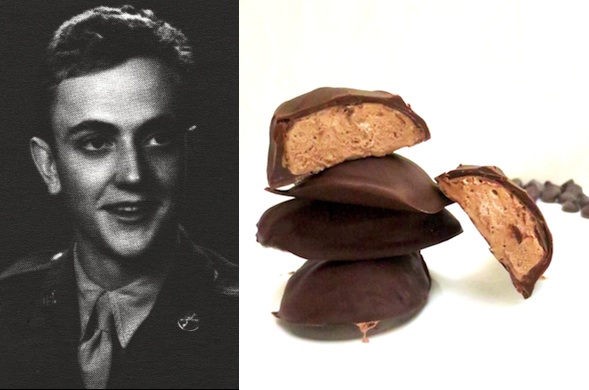
To paraphrase Freud, sometimes a candy bar is just a candy bar. But a good one often takes on greater meaning: as a motivator, a mood-changer and, in my kindergarten class, a valuable form of currency. Trading candy at lunch seemed to determine the whole school’s social hierarchy—and nothing commanded a higher price than a Three Musketeers. Something about that weirdly aerated filling and the sweet-on-sweet combination of chocolate and nougat made our sugar-driven hearts race and sent the bids soaring.

But for Kurt Vonnegut, a world away from the playground, candy bars became something even more valuable: a reminder of home, when it never seemed further away. Part of the Allied invasion of France during WWII, Vonnegut’s regiment was captured by German forces. For six months, he and his fellow soldiers dreamed about their lives before the war—and the food they would eat if they ever returned.

Thanksgiving turkey was the most popular topic of culinary conversation among the other men, but Vonnegut had a different focus. “[He] obsessed about candy bars,” his biographer Carl Shields wrote in And So It Goes. “He swore he was going to eat every kind ever made when he got home—Almond Joy, Milky Way, PayDay, Hershey’s, Clark Bar—and loved to talk about what it would be like with his mouth stuffed.”

Three Musketeers, however, would take a special place in Vonnegut’s memories, and his fiction. In Slaughterhouse Five, the novel most directly inspired by his time as a prisoner of war, the candy bar pops up by name several times. And the name he gives his trio of central characters? The Three Musketeers.

Even years later, Vonnegut’s childlike devotion to sweets persisted; instead of offering visitors coffee, the default drink of writers everywhere, he’d suggest hot chocolate. And although he paired his nightly meals with two more adult pursuits—a glass of Scotch and water, jazz—his preferred recipes were equally simple, favorites of the kindergarten set that would have been a hot commodity on my childhood playground. His daughter, Edie, remembers the day he asked her for a recipe he particularly liked, “the one where the cheese melts.” It was grilled cheese.

vonnegut 1

IMG_1314

Continue reading “Kurt Vonnegut: Spiked Three Musketeers Bars”
Marquis de Sade: Molten Chocolate Espresso Cake with Pomegranate

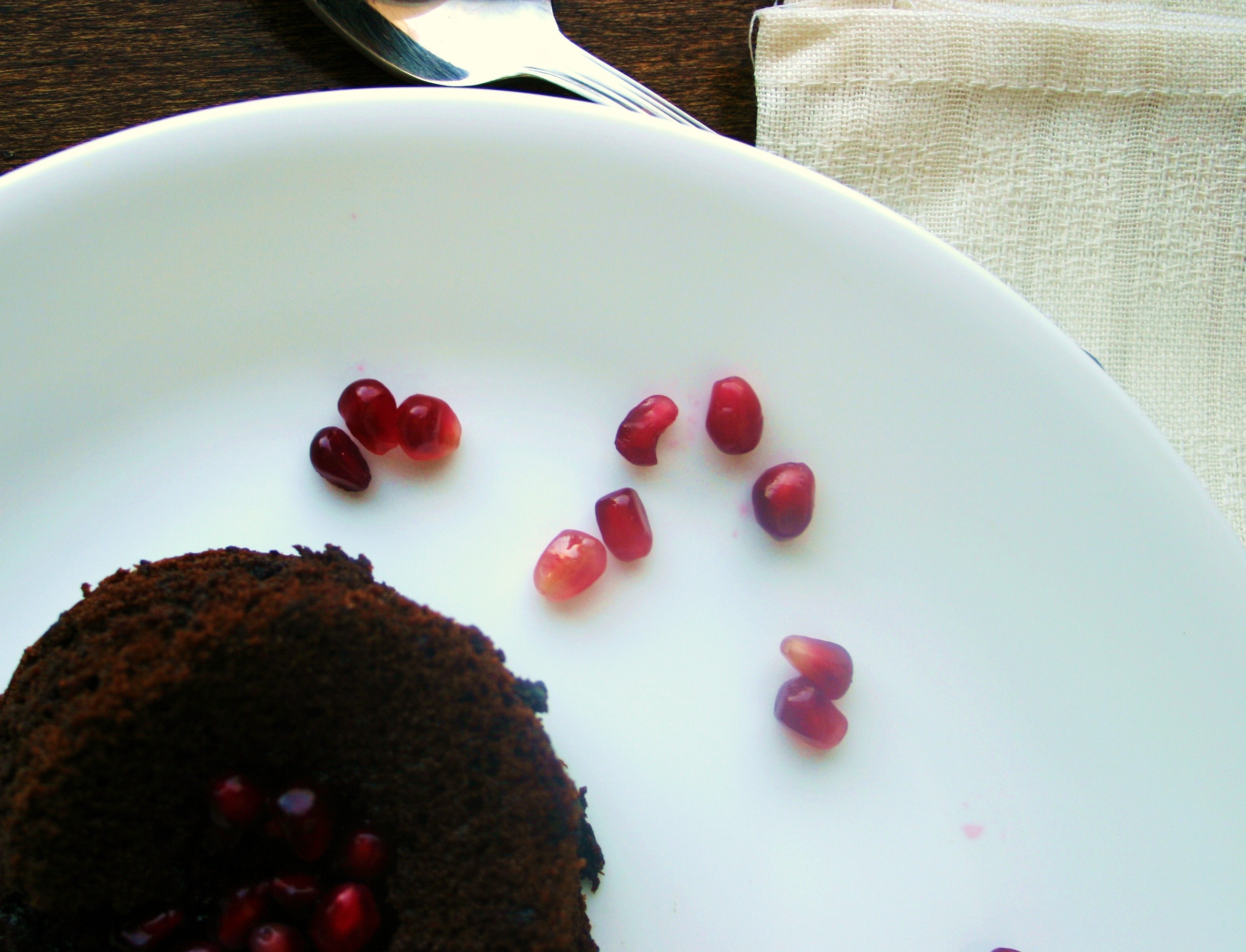
Marquis de Sade - Molten Chocolate Espresso Cake

I have always been semi-mortified about special requests in restaurants. Meg Ryan’s orders in When Harry Met Sally still fill me with third-party embarrassment. When I was in high school, my friends and I decided, instead of going to junior prom, we’d spend our ticket money on a fancy dinner in San Francisco instead. I anticipated it for weeks, poring over the menu in advance like it was some kind of ancient codex. After much deliberation, I picked the black pepper-crusted tuna steak—which, of course, arrived raw. 

What to do? Amazingly (this being California in the 90s), I hadn’t yet eaten raw fish and wasn’t planning to start then. But, determined to be accommodating  I picked at the seared edges of the tuna until a friend noticed, rolled her eyes, and asked our waiter to re-fire it. I watched him parade the plate back to the kitchen, as if announcing to the room, “That girl in the corner table is so uncultured, she didn’t know tuna is served rare, and we are all paying the price.” 

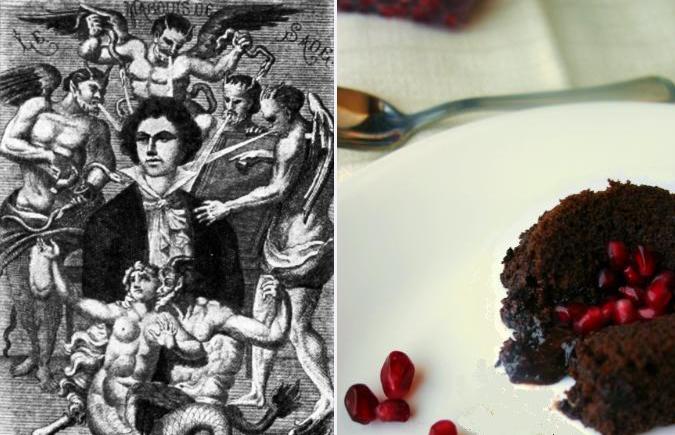
My tolerance for special requests has improved since then (It helps that I’m no longer in high school, when even the wrong nail polish was the apex of embarrassment). And whatever I order, I know it will never compare to the culinary demands of the Marquis de Sade, who showed as much disregard for dining conventions as he did for sexual ones—that is, pretty much none whatsoever.

For one thing, if I were in prison, I assume that I wouldn’t have a lot of input about the food; you get what you get. Not so the Marquis. In one of his many jail stints, he counseled the chef of the Bastille about the daily menu: it had to include a custard (vanilla or coffee flavored only), baked apples, and “an excellent soup (I will not repeat this adjective; soups must always be excellent.” Try this today, and I bet you’d get a big fat of soup in your face. It would not be the excellent kind, either.

I also admit that I’ve never once ordered cookies shaped to specific dimensions. The Marquis was all over this one. His requests to the Bastille are charming compared to the letters he wrote his wife, Renee, from prison, which listed his extensive food needs, including biscuits “six inches long by four inches wide and two inches high.” He was not only particular about his sweets; his appetite for them was insatiable. Another letter to Renee asked for “four dozen meringues; two dozen sponge cakes (large); four dozen chocolate pastille candies, vanillaed, and not that infamous rubbish you sent me in the way of sweets last time.”

And woe unto the person who forgets the chocolate. “The next time you send me a package … try to have some trustworthy person there to see for themselves that some chocolate is put inside,” he snarked. He may have been a libertine in the bedroom, but in the dining room with the Marquis, you don’t fool around.

* * *

Molten chocolate espresso cake with pomegranate recipe

IMG_1603

Continue reading “Marquis de Sade: Molten Chocolate Espresso Cake with Pomegranate”

Elizabeth Bishop: The Brownie Recipe

Baking, especially baking bread, is one of those activities that is perennially nerdy-cool, like knitting or discussing artisan teas. If you’ve ever talked with rhapsodic satisfaction about your sourdough starter, you’re a part of it. But you’re not the first.

Elizabeth Bishop was one of the earliest to recognize the proto-hipster qualities of baking from scratch, after the 1920s inventions of Betty Crocker mixes and Wonder Bread made it unnecessary. “My part-time work at present seems to be baking bread,” she wrote to Robert Lowell in 1960, adding presciently, “it sounds food-faddish I’m afraid.”

Although she was always an occasional baker, making treats for cake sales and birthdays, it wasn’t until landing in Brazil in 1951 that Bishop made it a habit. Her trip, which began as a travel fellowship, turned into a 15-year stay, and she soon became a very popular neighbor thanks to one of her signature recipes: brownies.

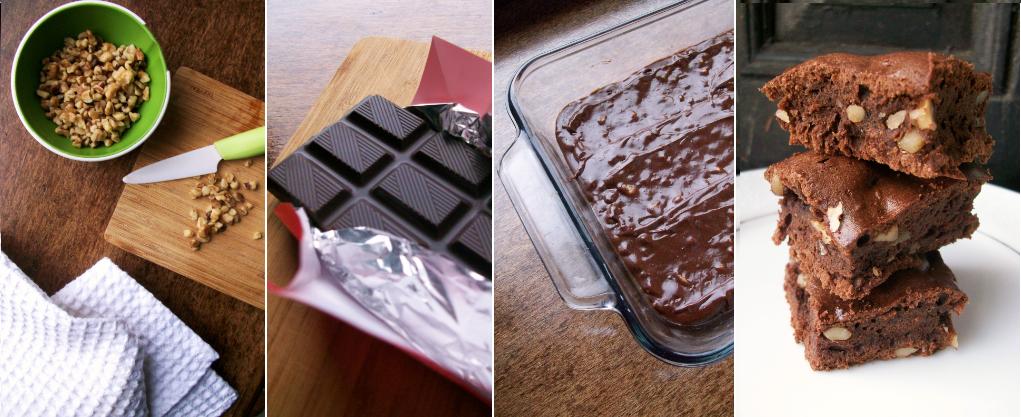
The earliest published recipes for brownies appeared in Chicago and New England the early 1900s, but according to Bishop they hadn’t made it to South America by the 1950s. Her version was an instant hit. “Since Brazilians are mad about anything chocolate … I have been requested to bring along 4 dozen brownies (something I’ve introduced to Brazil) and a large chocolate cake,” she writes to Lowell in the fall of 1957. “You see how innocent our lives are here—just making money and eating sweets.”

There’s an intimacy about baking, which might be why I always like to celebrate Valentine’s Day with homemade desserts. But reading from the correspondence between Bishop and Lowell is just as romantic to me – no bodice-ripping, but plenty of wit, flirtation, and the kind of tenderness that bespeaks a very deep love.

* * *

Continue reading “Elizabeth Bishop: The Brownie Recipe”