Edith Wharton: Christmas Pudding

Edith Wharton Christmas Pudding Recipe

Holiday parties usually follow a traditional recipe:

  1. Take several people who know each other either a little too well (friend parties with potential romantic prospects) or not well enough (anything work related).
  2. Add copious alcohol, perhaps with a brief food afterthought—a few Christmas cookies or maybe a random ham if you’re being fancy about it.
  3. Mix well.

The result is frequently uncomfortable, both emotionally and physically. The solution, as Edith Wharton deduced, is simply putting food first.

Wharton “liked rich and choice food and a good deal of it”; her favorite dishes included mock turtle soup, roast chicken, strawberries and cream, and lobster any which way. Dinner parties at the Mount, her estate from 1902 til her move to Europe in 1911, were lavish affairs, requiring a staff of 10 to prepare the elaborate menus.

The same servants were also charged with keeping Wharton’s guests fed throughout the day, including picnics on the grounds and snacks around the clock. “You needn’t bring supplementary apples or candies in your dressing bag,” Henry James wrote to a friend about his stay at the house, adding that as a hostess Wharton was “kindness and hospitality incarnate.”

At holiday time, though, Wharton took it to the next level, food-wise. A few recipes of her household recipes are preserved in Yale’s Beinecke library, including one for “Mrs. Wharton’s Christmas Pudding,” a dish that George Orwell later called “extremely rich, elaborate and expensive.” Maybe the most vocal author advocate of puddings in general, Orwell published his own pudding recipe; Wharton’s version, from across the pond, is very similar—in fact, nearly identical—except for her addition of glace cherries, a special touch for her high society friends.

Picking that perfect group of friends, of course, is the other necessary ingredient for a successful holiday party, another thing Wharton knew well. Her frequent guest Vivienne de Watteville noted that food at the Mount was only rivaled by the stimulating company: “Dinner was a poem to which brains and palate equally combined to bring a fitting appreciation.” Wharton was more blunt about how she settled on a guest list; when asked why her table only sat eight, she retorted, “Because there aren’t more than eight people in New York I care to dine with.”

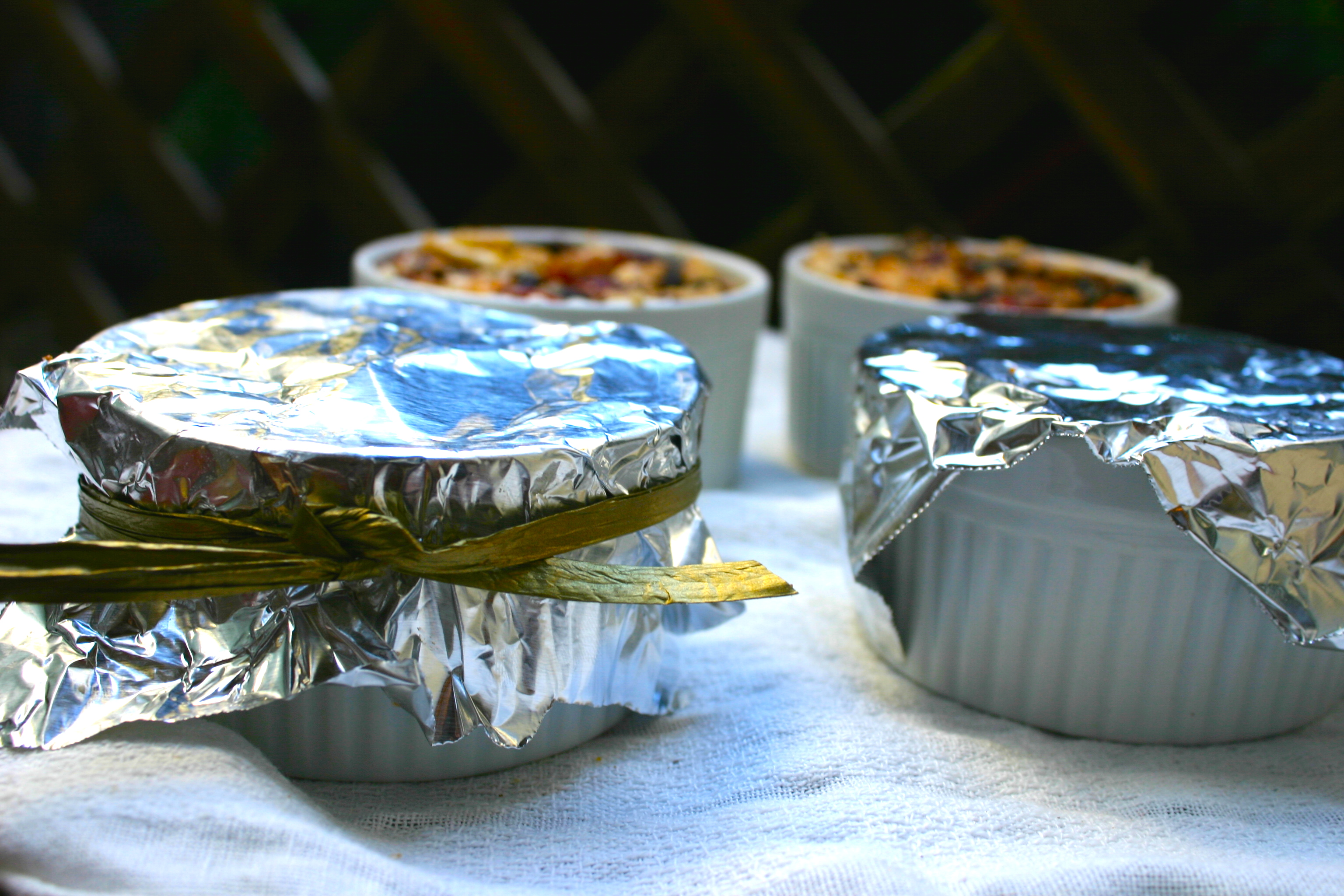
Edith Wharton's Christmas Pudding Recipe

wharton1
Continue reading “Edith Wharton: Christmas Pudding”

The Cocktail Hour: Evelyn Waugh

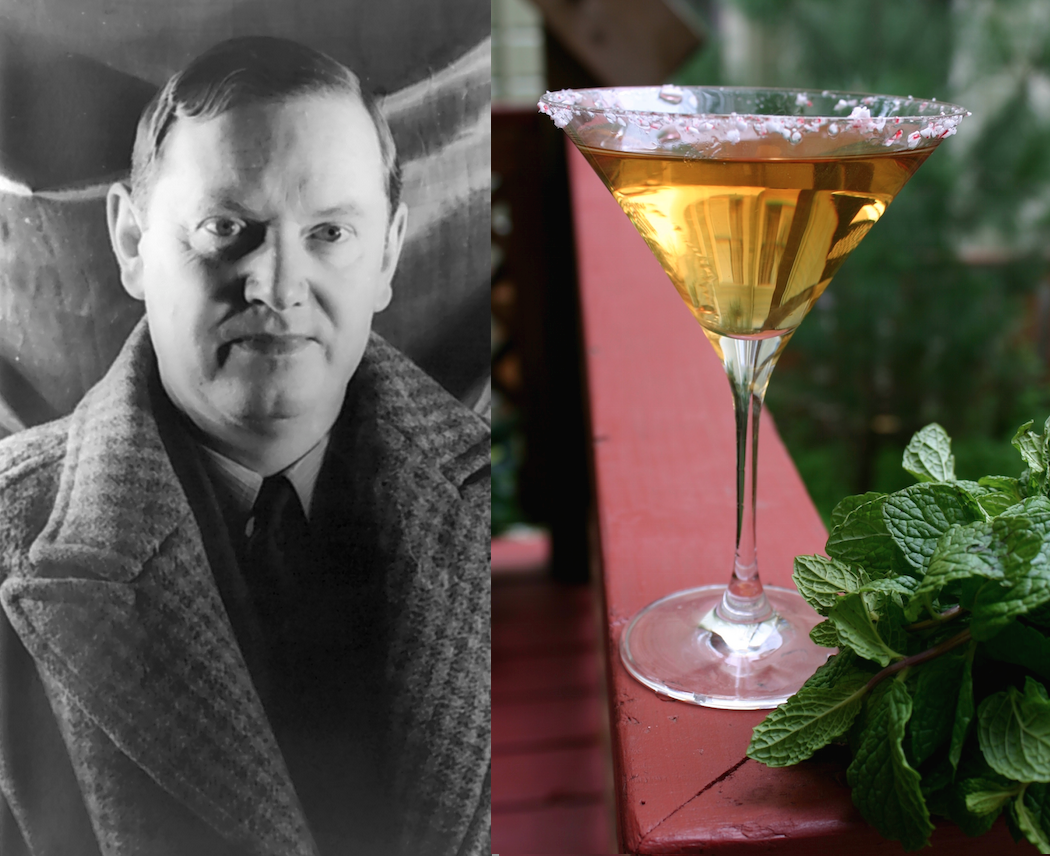
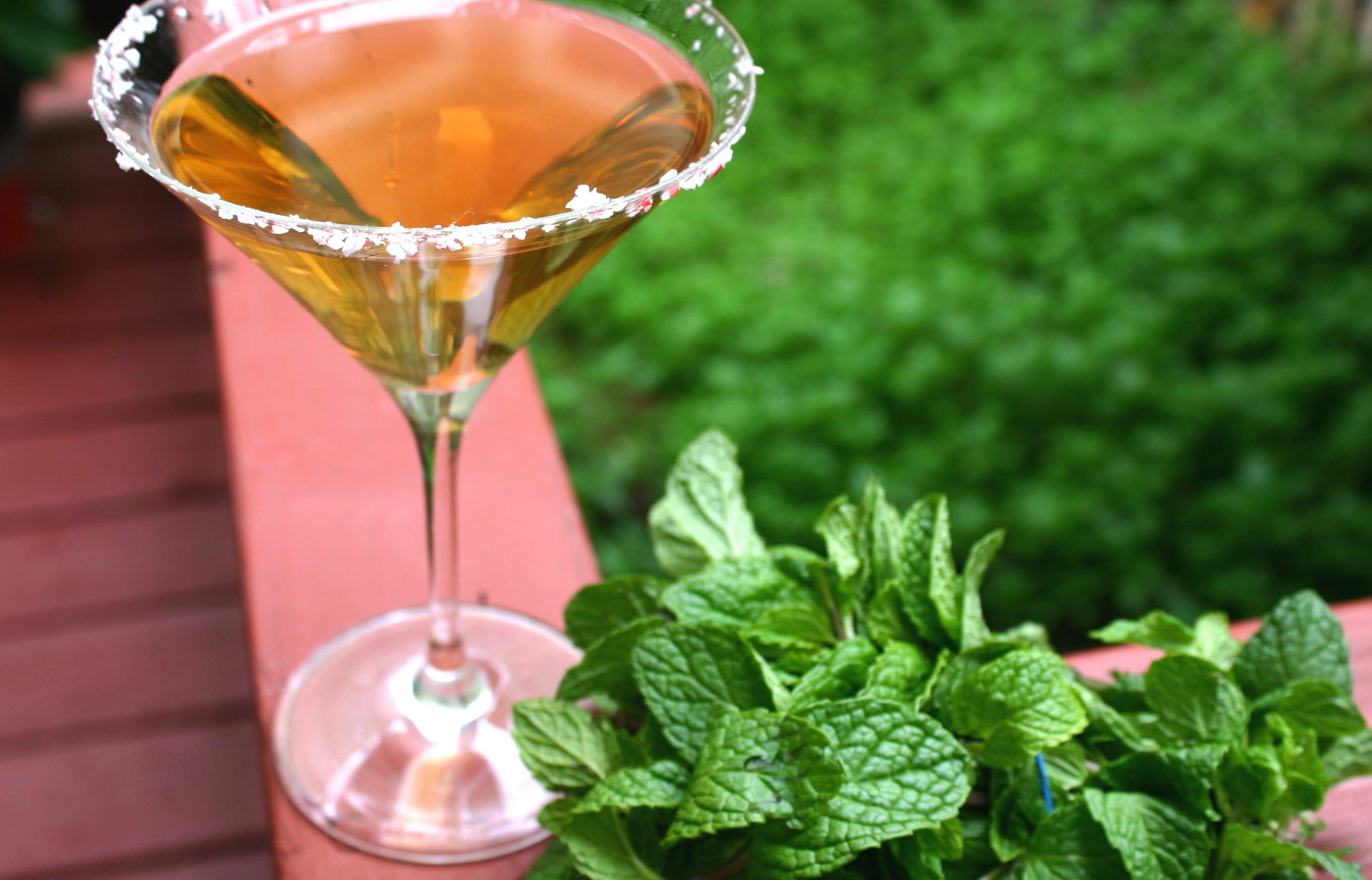
Evelyn Waugh Stinger Cocktail recipe

Note: Read on for the winner of the Laurie Colwin Home Cooking giveaway.

A strong cocktail is a popular cure for a variety of troubles, both physical and more … situational. Have a cold? Try a hot toddy. Feeling anxious or restless? A nip of bourbon will fix that right up. Spending the holiday season with your significant other’s extended family? I suggest a giant eggnog, double the brandy.

Of course, these treatments aren’t officially doctor-sanctioned (Disclaimer: Please don’t use this post as your personal WedMD). In the early 1900s, if you suffered from nerves or insomnia, they’d instead prescribe you a mixture of bromide and chloral, sedatives that also helped relieve pesky aches and pains. But what if you were really nervous or particularly achy? In Evelyn Waugh’s case, you’d just combine the two methods and see what sticks: the drinks or the drugs.

Waugh was a devotee of the cocktail cure for a number of life’s ills. “You must not think I am leading a dissolute life quite the reverse except for being drunk a lot” he wrote to his friend, the London socialite Diana Cooper. He soon became associated with several drinks that appeared frequently in his fiction as well as on his bar tabs, among them the Noonday Reviver (Guinness, ginger beer, gin), the Brandy Alexander (brandy, crème de cacao, cream). But the one drink he designated his “signature” was the Stinger: one part brandy, one part crème de menthe.

Although the cocktail combination was a favorite of many writers, including Somerset Maugham and Ian Fleming, Waugh took it a step further, using crème de menthe as a mixer whenever the opportunity presented itself—and sometimes when it shouldn’t. When doctors suggested he try the bromide cure, Waugh prepared the drugs just like a Stinger, shaken up with a liberal helping of crème de menthe.

The result? A night of hallucinations that haunted Waugh for years, and inspired a similar episode in the novel The Ordeal of Gilbert Pinfold. Cooper, in one of her letters back to Waugh, recalled with horror “whatever that dread concoction was you did not know you were Wrong til madness claimed you.” She warned him against the “the drink-drug-escape addiction” that would continue for the rest of his career. Only someone with a Stinger on the brain could describe an unpleasant train ride as “exactly like being inside a cocktail shaker”?

waugh2 waugh3

waugh5

Continue reading “The Cocktail Hour: Evelyn Waugh”