Marcel Proust: Quick Croissants with Coffee Glaze

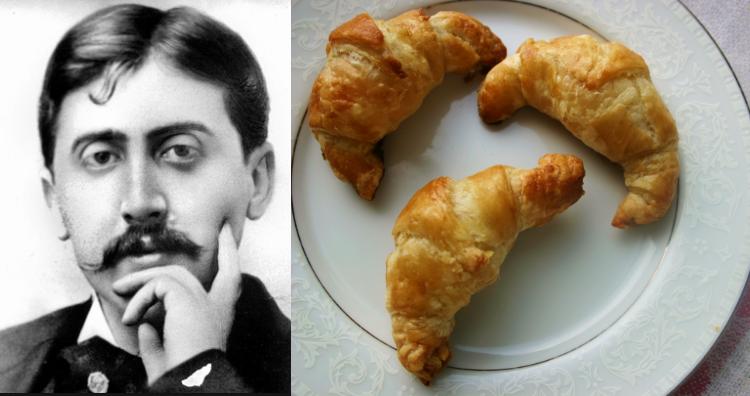
Marcel Proust - Quick Croissants with Coffee Glaze

You were waiting for this, right? Authors and food equals Proust and madeleines. It’s arguably the most recognizable culinary pairing in literature, and definitely the one I’m asked about the most. (This site was almost named “Proust’s Madeleine,” or something equally pretentious, until the idea was greeted by faux barfing noises from my focus group/boyfriend.) So why hasn’t Marcel appeared here yet?

The thing is: There’s not a lot of evidence to suggest that Proust really ate madeleines. Although his vivid memories of the delicate cookies from In Search of Lost Time have become iconic, early versions of the novel actually don’t include madeleines at all. Instead, we see Marcel biting into a humble biscotte – a piece of dry toast. And as Edmund Levin’s meticulous experiments in tea-dunking and crumb-making reveal, Proust’s description of the famous treats doesn’t seem to match up with any known recipe. It’s likely that the madeleines of our imagination were just that: a figment of Proust’s culinary mind.

So what was Proust really eating? He’d be so glad you asked. Before asthma reduced his appetite (and even for an unhealthily long time after), Proust was a notorious glutton, stuffing himself so full that he sometimes resorted to wearing a corset. He blissfully described one of his meals, which included “two tournedos steaks—I ate every scrap—a dish—of chips (about twenty times as much as Félicie used to make), some cream cheese, some gruyère, two croissants, a bottle of Pousset beer.” He summed it up more succinctly in a letter to his mother: “Lunch is my favorite moment.”

But as his illness worsened, his need to write began to subsume his desire to eat, and breakfast became Proust’s meal of choice. Instead of the madeleines and tea we know from his fiction, the real Marcel demanded croissants and cafe au lait, brought to him in bed while he read the paper and began his work. He would dunk his croissant in the coffee (just as his fictional self would mimic with a cup of tea) and ate little else for the rest of the day.

Céleste Albaret, Proust’s trusted servant, later marveled at the writer’s ability to live on so little, after years of hedonistic eating. “The most extraordinary thing was how he could survive and work, ill as he was, … by living on the shadows of foods he’d known and loved in the past.” In the absence of beef and beer, Proust’s writing (and those morning croissants) was all that remained, evoking those tantalizing sense memories of meals gone by—his own personal madeleine moments.

Easy Croissant Recipe with Coffee Glaze

Continue reading “Marcel Proust: Quick Croissants with Coffee Glaze”

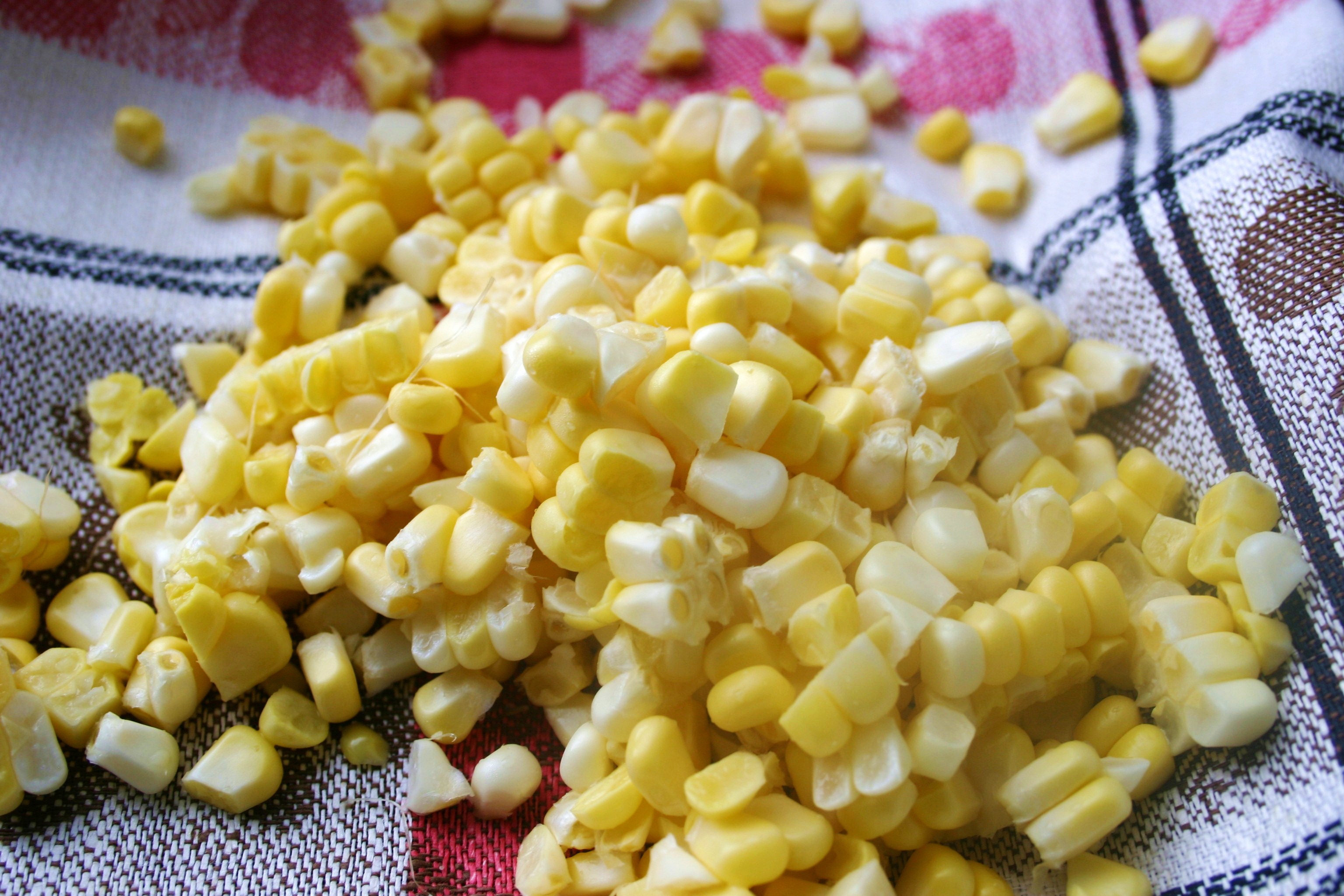
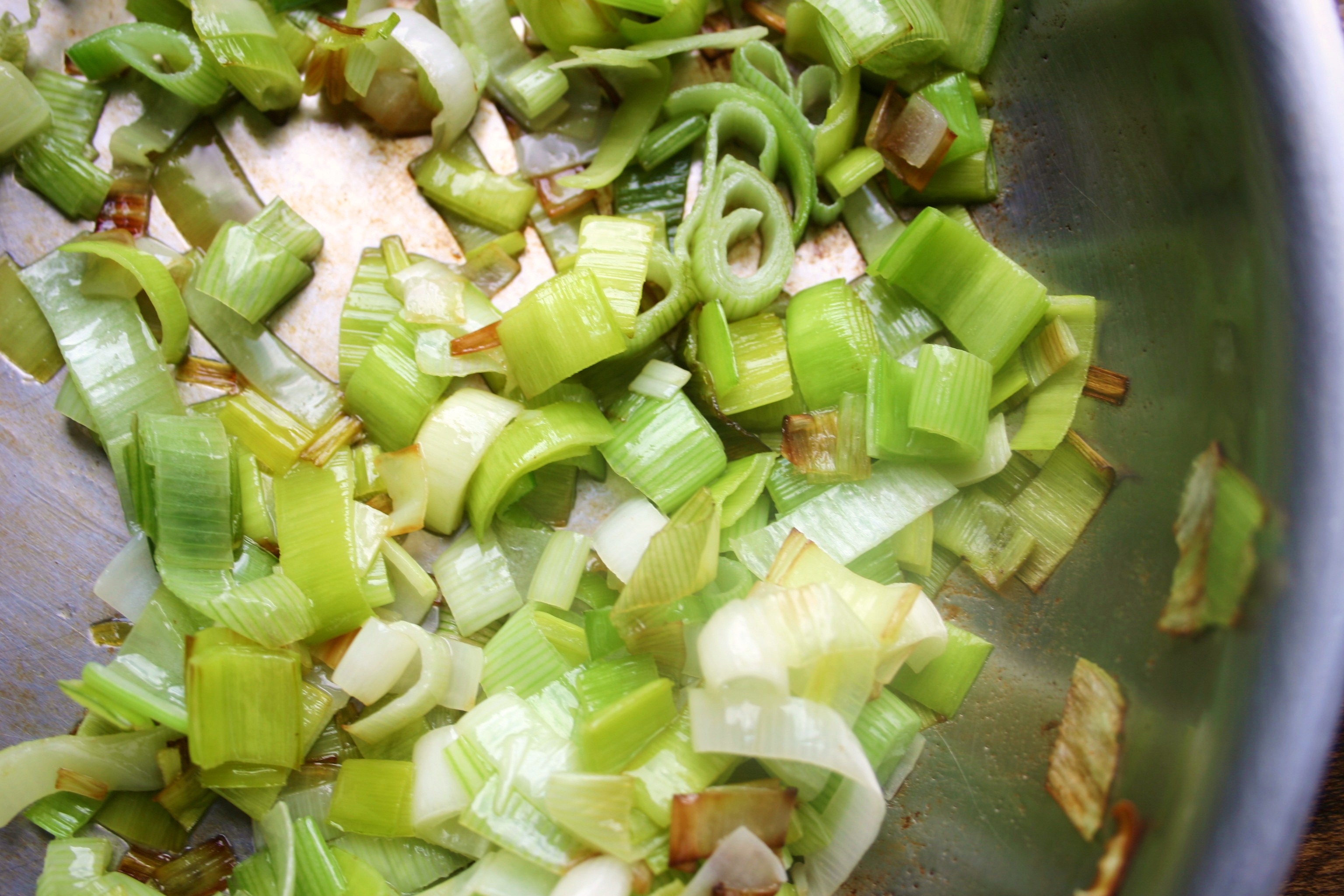
Jamaica Kincaid: Cheddar-Leek Corn Pudding

Jamaica Kincaid: Cheddar Leek Corn Pudding

I’ve always been encouraged by late bloomers, since I long harbored the secret, desperate hope I might be one of them. I read Jamaica Kincaid’s short story “Girl” in a seventh-grade English class, at an age when I could already feel the potential endings of my own story narrowing down to a handful of plots. Others seemed to have already found their own talents by then: had spent years on the soccer field or in the art studio, drafting a rough outline of their futures. I still remember a classmate telling me I should forget about being a journalist, since I hadn’t written a single article for the school paper yet. For aspiring late bloomers, middle school is the absolute worst.

Cooking seemed like yet another talent you had to discover young to possess. Kincaid’s “Girl” only added to that idea. It’s full of kitchen wisdom, passed down early: “Cook pumpkin fritters in very hot sweet oil,” “soak salt fish overnight before you cook it.” Considering the main things I learned about cooking as a kid were 1) knives are sharp and 2) stirring is fun, I didn’t think I had the detailed instructions that made a fledgling chef. But, as it turns out, they worked just fine—even for Jamaica Kincaid herself.

Unlike the character in her story, Kincaid didn’t master the techniques to cook fritters or salt fish. Her job at family dinner time was the same one I had growing up: setting the table, the lamest of all kitchen tasks (besides “making placecards,” the other chore that inevitably got assigned to me). It wasn’t until Kincaid became a mother herself that she started to take an interest in food, first exploring her garden and then returning to the kitchen, this time in a more active role.

“My husband gave me a hoe, a rake, a spade, and some flower seeds,” she writes in My Garden, an entire book detailing her midlife conversion to domesticity. A neighbor taught her “what the new shoots of peonies look like,” she writes: “That was how I came to recognize a maple, but not that its Latin name is Acer; Latin names came later, with resistance.” She discovered Edna Lewis’ seminal cookbook, The Taste of Country Cooking, and began devouring the recipes, passing on favorites like corn pudding and fried chicken to her own children.

Latin, I’m afraid, isn’t a talent that I’ve also picked up in adulthood. Yet as a relative latecomer to cooking, I’ve realized we have more control over how our stories unfold than we might think. Whenever people tell me they’re “not a chef” or even (perish the thought) “not a reader,” I remember how our talents are interconnected, our abilities and our confidence in them reinforcing one another, until we believe we truly can do anything. “Gardening is a form of reading,” Kincaid writes. “So is actually cooking.”

* * *

Cheddar Leek Corn Pudding Recipe

Cheddar Leek Corn Pudding Recipe

Continue reading “Jamaica Kincaid: Cheddar-Leek Corn Pudding”